His Sister Is a Doctor in Saudi Arabia, but After an 8cm Colon Tumor Was Found, He Canceled His Ticket to Saudi Arabia...
AL-SHARABI, from Yemen, has been doing business in China for over ten years and came to Yiwu three years ago.
More than a year ago, he began suffering frequent lower-right abdominal pain and bloating, lost his appetite, and clearly lost weight. A colonoscopy at ZJU4H found an 8×9 cm tumor in his colon. Chief Physician Tan Haoxiang of the hospital's Emergency Surgery Department (Gastrointestinal Surgery) advised immediate admission for surgery.
Facing a sudden illness far from home, AL-SHARABI hesitated: How good is medical care in China? How much would it cost? His sister, a doctor in Saudi Arabia, was planning to receive him back home—his ticket was already booked. But after comparing treatment plans in both countries, she trusted China's medical technology and feared the long journey could worsen his condition. She urged him to stay in China.
In Yiwu, another Yemeni—Ammar, a doctor in ZJU4H's General Practice Department who had long managed his anemia and diabetes—gave the same advice.
AL-SHARABI also compared costs: treatment in China would be about 10,000–20,000 yuan less than in Saudi Arabia, and the plan felt more reassuring.
He was further reassured by the hospital's expertise. Under President Wu Liming, ZJU4H has built a provincial clinical innovation team for colorectal cancer with liver metastasis, bringing together experts from hepatobiliary surgery, colorectal surgery, oncology, pathology, radiology, and ultrasound. Through multidisciplinary consultations (MDT), the team provides one-stop, full-process care.
He canceled his ticket and chose surgery in China.
AL-SHARABI had anemia and diabetes, so the team first stabilized his condition before scheduling the operation.
On September 9, the surgery took place. The situation was complex: an 8×9 cm mass in the cecum had invaded surrounding blood vessels, multiple enlarged lymph nodes were found at the root of the right colon mesentery, and his gallbladder was shrunken and full of stones.
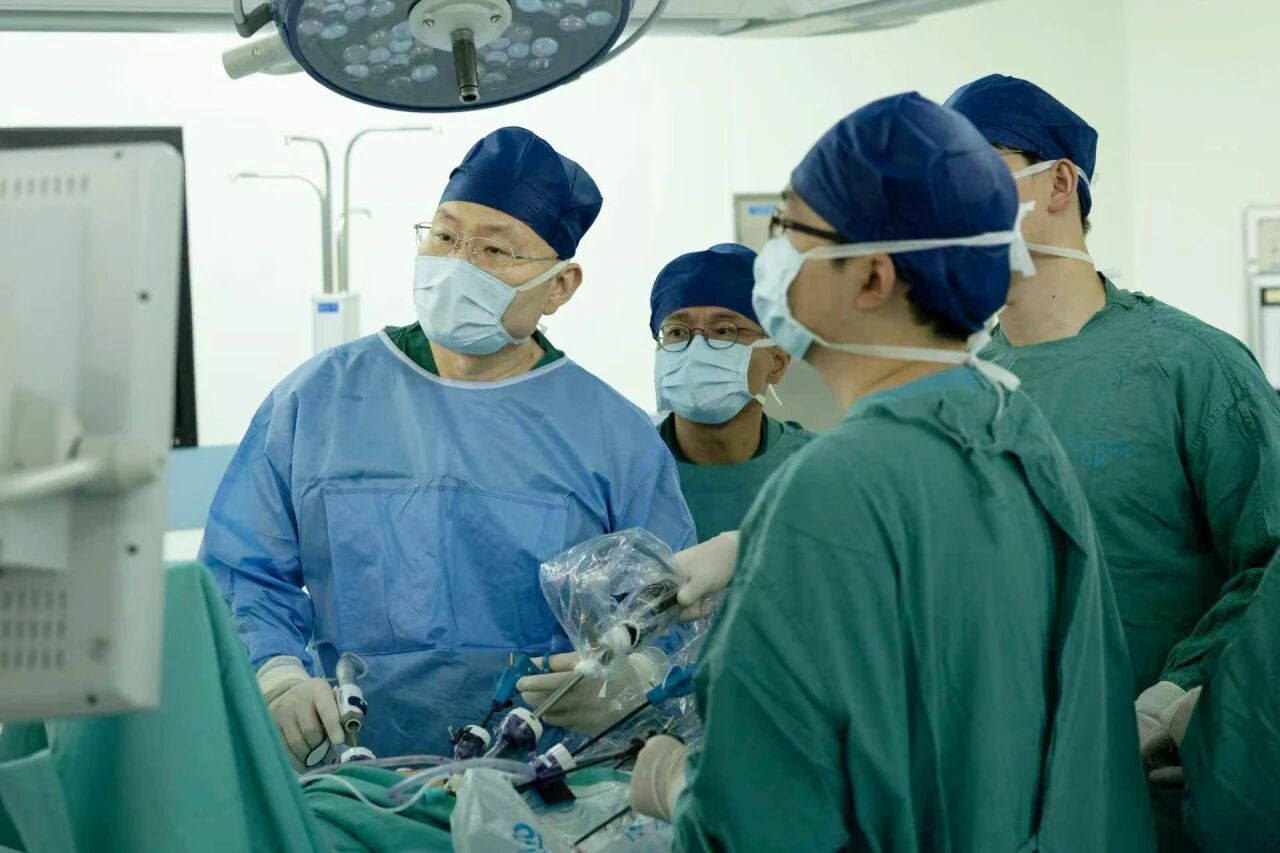
Directors Zhao Zhongkuo and Tan Haoxiang performed laparoscopic surgery, first releasing adhesions, then completely removing the tumor and the diseased gallbladder, followed by standard lymph node removal and reconnection of the digestive tract.
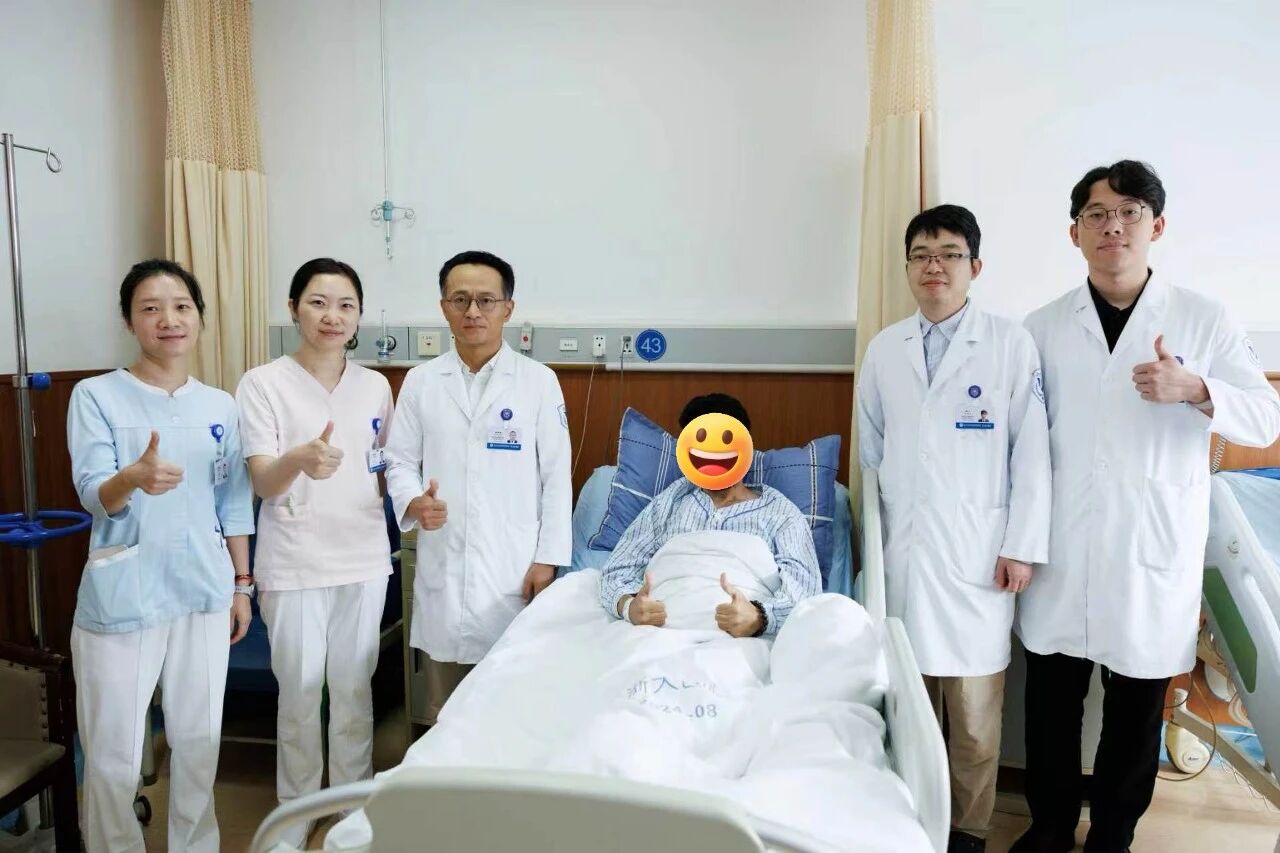
A few days later, AL-SHARABI could walk freely. Pathology confirmed ascending colon cancer with clean margins. "Although the tumor was large and fast-growing, it has been completely removed. With postoperative chemotherapy, the outlook is good," Tan said.
Tan noted that many people fear colon cancer surgery, imagining a large incision. In fact, laparoscopic minimally invasive surgery uses several 0.5–1 cm holes plus a small auxiliary incision, allowing doctors to remove the tumor, clear lymph nodes, and rebuild the digestive tract under a magnified view. This means less bleeding, less pain, and faster recovery. Such techniques are already mature in large Chinese hospitals, including ZJU4H's Gastrointestinal Surgery Department.
Before discharge, AL-SHARABI said gratefully, "My Chinese brother accompanied me throughout, and my Chinese medical team is excellent. I recovered very quickly!" He now feels more confident about the future.